The Right Hydrogel
for Every Wound.
Hydrogels.ai explains what hydrogel wound dressings are, why they matter, and guides you to the right product for your specific wound type — backed by clinical evidence.
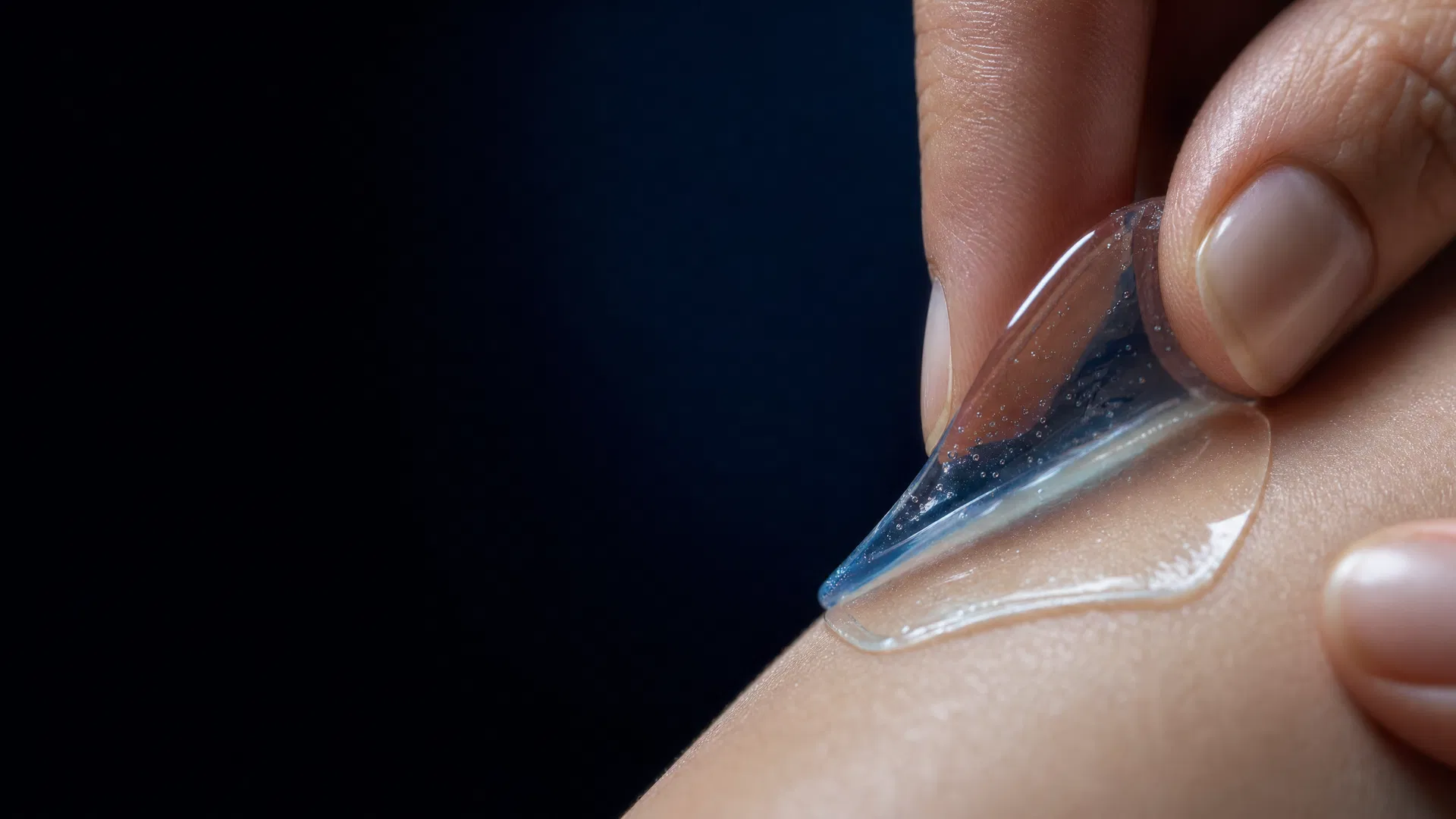
Hydrogel dressing application — maintaining a moist healing environment

01 — WHY WOUND CARE
Wound Care is Hydrogel's
Most Accessible Niche
Among all hydrogel applications — from agriculture to drug delivery — wound care stands out as the most commercially mature, consumer-accessible, and purchase-intent-driven niche. The global hydrogel dressing market reached USD 920 million in 2023 and continues to grow, fueled by aging populations, rising diabetes rates, and the shift toward home-based care.
Largest Consumer Niche
Wound care represents the most commercially mature and purchase-intent-rich application of hydrogel technology, driven by aging populations, rising diabetes rates, and increasing home-care adoption.
Proven Clinical Mechanism
Hydrogels maintain a moist wound environment — the gold standard for healing since the 1970s. Their cooling, non-adherent, and autolytic debridement properties make them uniquely suited for wound care.
Accessible Without Prescription
Most hydrogel wound dressings are available over the counter at pharmacies, online retailers, and medical supply stores — creating a large, reachable consumer audience.
Expanding Technology
Silver-ion hydrogels, collagen-hydrogel hybrids, and antimicrobial formulations are continuously expanding the product landscape, creating ongoing content and affiliate opportunities.
02 — WOUND GUIDE
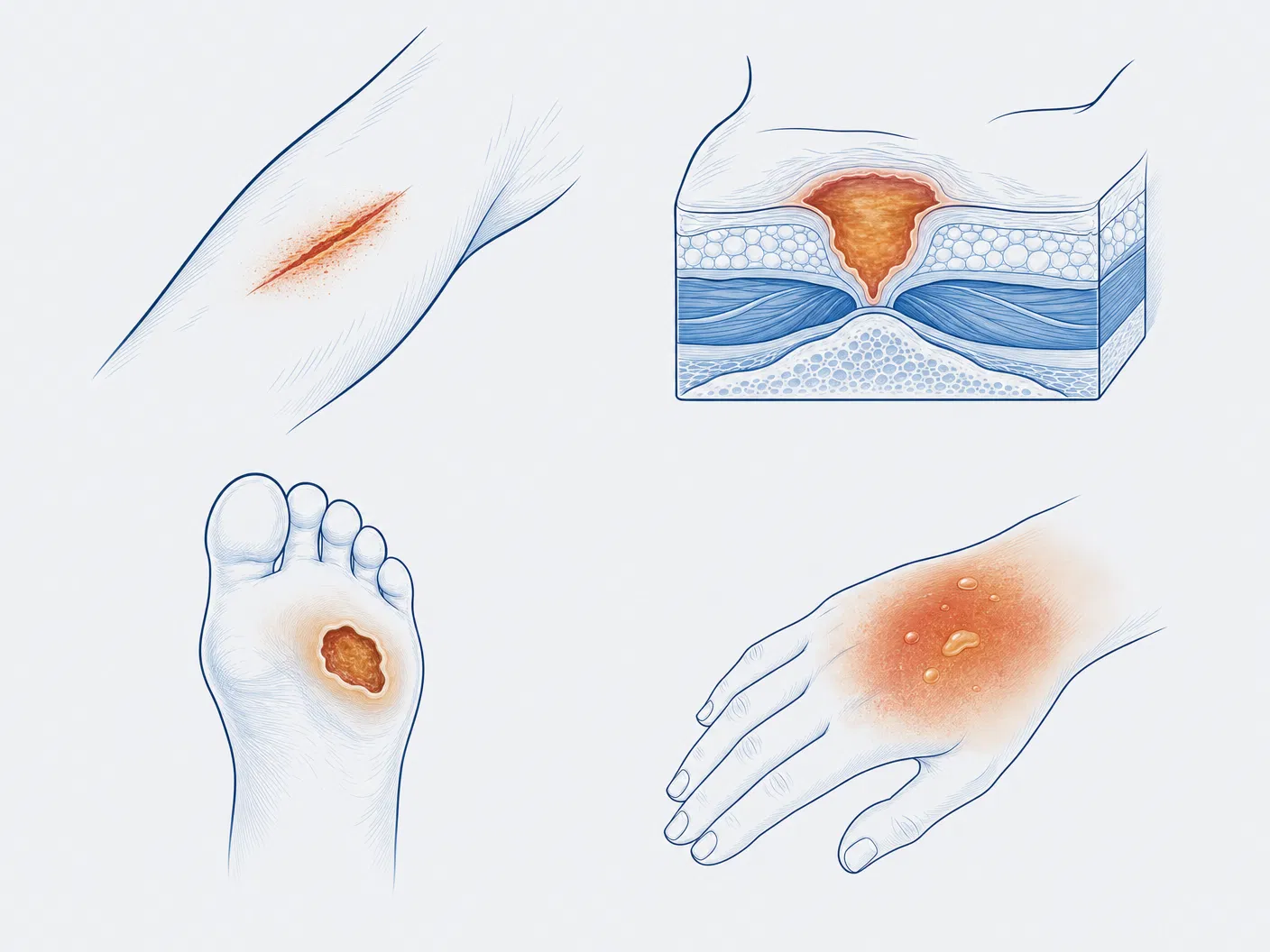
Select Your Wound Type
Get tailored hydrogel product recommendations for your specific wound.
Minor Cuts & Abrasions
Everyday wounds from scrapes, cuts, and skin tears
Pressure Ulcers
Stage II–IV pressure injuries in immobile patients
Diabetic Foot Ulcers
Chronic wounds associated with diabetic neuropathy
Venous Leg Ulcers
Lower-leg wounds caused by venous insufficiency
Minor Burns
First and second-degree burns and scalds
Radiation Wounds
Skin damage from radiation therapy
Surgical Wounds
Post-operative incisions and donor sites
Necrotic / Sloughy Wounds
Wounds with eschar, slough, or necrotic tissue
03 — THE SCIENCE
How Hydrogels
Heal Wounds
Hydrogel dressings are composed of approximately 90% water suspended in a network of hydrophilic polymers. This unique structure creates an optimal healing environment by maintaining moisture, reducing pain, and supporting the body's natural debridement processes.
Moisture Donation
Hydrogels donate water to dry wound beds, rehydrating necrotic tissue and softening eschar for easier removal.
Autolytic Debridement
The moist environment activates the body's own enzymes to break down dead tissue without painful mechanical debridement.
Pain Reduction
The cooling effect of the gel soothes nerve endings, reducing pain during wear and at dressing changes.
Granulation Support
By maintaining optimal moisture and temperature, hydrogels promote granulation tissue formation and re-epithelialization.
Important: Hydrogels are not suitable for wounds with heavy exudate. Signs of deep infection, spreading redness, fever, or wounds in diabetic patients require professional medical evaluation before self-treating.
04 — PRODUCT TYPES
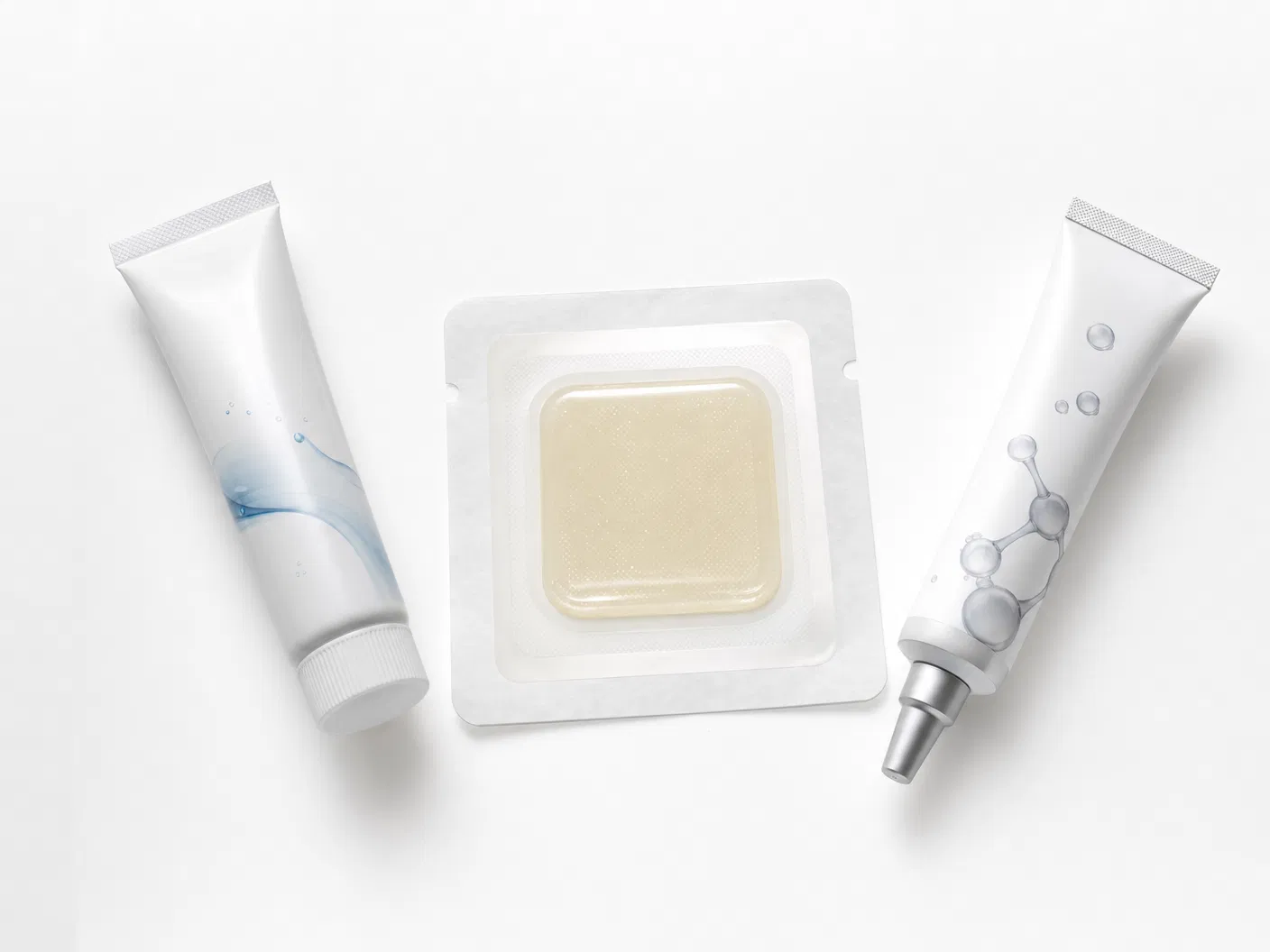
Three Forms of Hydrogel Dressings
Amorphous Gel
Free-flowing gel packaged in tubes or syringes. Conforms to any wound shape, fills dead space, and is ideal for dry to lightly draining wounds. Requires a secondary dressing.
Best For